Top articlesSee all...

A Comprehensive Guide to Dog Exercise

How To Crate train An Older Dog - A Comprehensive Guide

How To Socialize A Dog - A Comprehensive Guide

Leash Training: A Guide to Training Your Dog to Walk on a Leash

Skijoring: A Guide to Skijoring with Dogs

The Best Dog Enrichment Toys

The Best United States Dog Parks

The Best Indoor Dog Parks in the United States

The Best Off-Leash Dog Parks in the United States
Top articles
A Comprehensive Guide to Dog Exercise
How To Crate train An Older Dog - A Comprehensive Guide
How To Socialize A Dog - A Comprehensive Guide
Leash Training: A Guide to Training Your Dog to Walk on a Leash
Skijoring: A Guide to Skijoring with Dogs
The Best Dog Enrichment Toys
The Best United States Dog Parks
The Best Indoor Dog Parks in the United States
The Best Off-Leash Dog Parks in the United States
See all...How to Train a Dog Not to Run Away: Safe Guide to Off-Leash Freedom

/fit-in/0x450/wp-content/uploads/2024/02/traindognottorunaway.jpg)
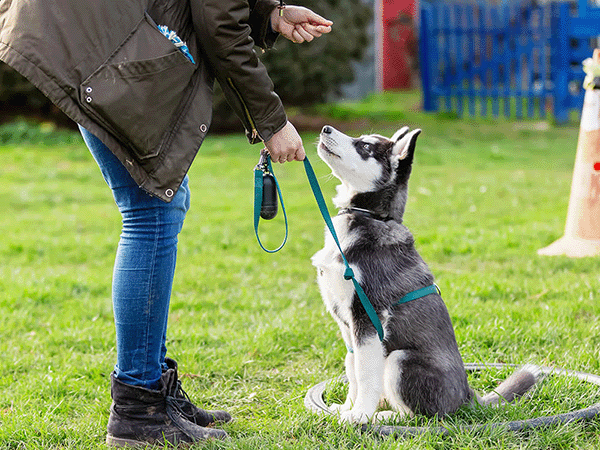
Picture this: You open the front door to grab a package, and your dog shoots past you like a furry rocket. Or you're enjoying a peaceful walk when your pup spots a squirrel and suddenly you're holding an empty leash, watching them disappear around the corner. Heart-stopping, right? How do you train a dog not to run away?
If you've ever experienced the panic of your dog running away, you're definitely not alone. According to the American Kennel Club, door darting and escape attempts are among the most common (and most terrifying) dog behavior issues owners face.
The good news? You can absolutely teach your dog to stick close, come when called, and enjoy off-leash freedom safely. This guide covers everything you need to know about preventing escapes, building bombproof recall, and giving your pup the freedom they crave without the heart attacks for you.
Jump Ahead: Train Your Dog Not to Run Away
- Why Do Dogs Run Away? Understanding the Escape Artists
- The Foundation: What Your Dog Needs Before Off-Leash Freedom
- How to Train Your Dog Not to Run Away: Step-by-Step
- Advanced Recall Techniques and Pro Tips
- Management Strategies: Preventing Escapes Before They Happen
- What to Do If Your Dog Does Run Away
- Special Considerations for Different Situations
- Working with Professionals
- Frequently Asked Questions About Dogs Running Away
- Your Off-Leash Freedom Roadmap
- Give Your Dog Safe Off-Leash Freedom at Sniffspot
Why Do Dogs Run Away? Understanding the Escape Artists
Before we jump into training, let's talk about why dogs bolt in the first place. Understanding your dog's motivation makes training way more effective (and helps you prevent escapes before they happen).

The Thrill of the Chase: Prey Drive
That squirrel taunting your dog from the tree? That cat darting across the yard? For dogs with strong prey drive, these moving targets are absolutely irresistible. It's not about being disobedient; it's hardwired into their DNA.
Breeds originally developed for hunting (think Beagles, Terriers, Greyhounds, and Hounds) often have particularly intense prey drive. Even the most obedient dog might completely forget their training when a rabbit crosses their path. One second they're sitting politely, the next they're gone.
The Call of the Wild: Mating Instincts
Here's an uncomfortable truth: intact dogs (those not spayed or neutered) have a powerful drive to find mates. Unneutered males can smell a female in heat from up to three miles away, and when those hormones kick in, all bets are off.
According to research from Humane World for Animals, spaying or neutering reduces roaming behavior in about 90% of cases. If your intact dog keeps escaping, this might be your answer.
Fear and Anxiety: The Fight or Flight Response
Loud noises send thousands of dogs running every year. Thunderstorms, fireworks (especially around July 4th and New Year's), construction sounds, and even car backfires can trigger panic mode. When dogs are terrified, adrenaline takes over and they become capable of incredible escape feats like scaling six-foot fences or squeezing through impossibly small gaps.
Dogs experiencing separation anxiety might also bolt when left alone, desperately trying to find their owners. Moving to a new home can trigger similar confusion and escape attempts as dogs try to return to familiar territory.
Boredom and Excess Energy: The Understimulated Escape Artist
A bored dog is a creative dog, and unfortunately, that creativity often manifests as elaborate escape plans. Dogs left alone for long periods without mental or physical stimulation will look for entertainment wherever they can find it, even if that means digging under the fence or learning to open gates.
High-energy breeds like Border Collies, Australian Shepherds, Huskies, and other working dog breeds need serious exercise and mental challenges. Without adequate outlets, they'll create their own adventures.
Social Butterflies Seeking Friends
Some dogs just really, really love other dogs (or people) and will make a break for it whenever they spot potential playmates. This frustration-based escape is common in social dogs who regularly attend dog parks or daycare. They've learned that other dogs = fun, so when they see one on a walk and can't greet them? Time to Houdini out of that leash.
🏡 Give your high-energy or social dog a safe outlet! Browse private Sniffspot dog parks where they can run, play, and burn energy without escape risks.
The Foundation: What Your Dog Needs Before Off-Leash Freedom
Here's the thing about off-leash training: you can't skip steps. Before your dog earns the privilege of running free, they need rock-solid foundation skills. Think of it like teaching a kid to drive; you don't just toss them the keys and say "good luck!"
Rock-Solid Recall: The Non-Negotiable Skill
Recall is THE most important command you'll ever teach your dog. Period. It's literally the difference between life and death in emergency situations. A dog with reliable recall can avoid traffic, stop chasing wildlife, come out of dangerous situations, and stay safe in countless scenarios.
Here's what bombproof recall looks like: Your dog drops everything they're doing and returns to you immediately when called, every single time, even when there are major distractions. Not "eventually wanders over" or "comes if they feel like it." Immediate response, no matter what.
Building this level of reliability takes time and consistency, but it's absolutely achievable. We'll cover the specific training steps below.
A Strong Bond: The Secret Weapon
Dogs with close bonds to their owners naturally want to stay nearby. They check in more frequently, they're more attentive to their human's location, and they're less likely to wander off exploring on their own.
Ways to strengthen your bond:
- Daily play sessions (fetch, tug, chase games)
- Training new tricks together
- Hand-feeding meals sometimes
- Physical affection and grooming
- Respecting your dog's communication and body language
- Sharing adventures (hikes, car rides, new experiences)
The stronger your relationship, the more motivated your dog will be to stick close even off-leash.
Basic Obedience: The Building Blocks
Before tackling advanced off-leash skills, your dog should have solid basics:
- Sit: Hold position until released
- Stay: Remain in place even with mild distractions
- Down: Lie down and hold position
- Leave it: Ignore tempting items or food
- Watch me: Make eye contact on cue
These commands build impulse control and focus, both essential for safe off-leash adventures. If you're struggling with a dog who won't listen, check out our guide on how to train stubborn dogs.
Adequate Exercise and Mental Stimulation
A tired dog is a well-behaved dog (and a dog less likely to escape seeking adventure). Most dogs need:
- Physical exercise: 30 minutes to 2 hours daily depending on breed and age
- Mental stimulation: Training sessions, puzzle toys, sniff walks, enrichment activities
For working breeds and high-energy dogs, this need is even more intense. A 20-minute walk around the block won't cut it for a Border Collie or Husky. They need jobs to do, problems to solve, and serious physical activity.

How to Train Your Dog Not to Run Away: Step-by-Step
Ready to build that bulletproof recall and teach your dog to stick close? Here's your roadmap from zero to off-leash freedom.
Step 1: Start in a Controlled, Distraction-Free Environment
You wouldn't learn to drive on a busy highway, right? Same principle applies here. Begin recall training inside your home where your dog feels comfortable and distractions are minimal.
The basic recall protocol:
- Have high-value treats ready (chicken, cheese, hot dogs, not boring kibble)
- Get down to your dog's level and call them enthusiastically: "Rover, come!"
- When they come to you, immediately reward with treats and praise
- Practice 5-10 times per session, multiple sessions throughout the day
Pro tip: Always sound happy and excited when calling your dog. You want "come" to mean "something awesome is about to happen!" not "fun's over."
Step 2: Introduce Your Recall Word and Pair It With Rewards
Pick one specific word for recall and stick with it. "Come," "here," and "to me" all work fine, just be consistent. Never use your recall word in situations where you can't enforce it or if you think your dog won't respond. This waters down the command.
Every single time your dog responds to the recall cue, they get rewarded. We're building a Pavlovian response: recall word = amazing things happen. The more consistent you are with rewards, the faster and more reliable the behavior becomes.
What counts as a reward:
- High-value treats (the GOOD stuff)
- Enthusiastic verbal praise
- Physical affection
- Favorite toys
- Play sessions
- Access to something they want (sniffing, exploring, greeting another dog)
For more on effective positive reinforcement techniques, check out our dog clicker training guide.
Step 3: Practice With a Long Line in Safe, Fenced Areas
Once your dog is reliably coming when called indoors, it's time to level up to outdoor spaces. But don't just unclip the leash and hope for the best! Use a long training lead (20-50 feet) that gives your dog a taste of freedom while keeping them safe.
Long line training tips:
- Attach the long line to a harness, not a collar (prevents neck injuries)
- Let your dog explore and sniff while dragging the line
- Randomly call them back and reward heavily when they come
- Practice in a securely fenced area first (your yard or a private Sniffspot)
- Gradually increase distractions as they improve
Never hold the long line constantly or use it to reel your dog in unless they're in danger. The goal is for them to choose to come back, not get physically pulled.
Step 4: Build the "Stay Close" Default Behavior
Recall gets your dog back to you, but what about preventing them from wandering off in the first place? This is where rewarding proximity comes in.
How to reward staying close:
- Throughout the day, randomly give your dog treats when they're hanging out near you
- During walks (on or off leash), reward them periodically for checking in with you
- Never take nearby behavior for granted; acknowledge and reinforce it
- Use environmental rewards (letting them sniff, continue walking, etc.) for staying close
This creates a default setting where your dog naturally wants to stay within a certain radius of you because good things happen when they do.
Step 5: Gradually Add Distractions and Distance
Now comes the hard part: generalizing the behavior to real-world situations. Start small and build up systematically.
Progression might look like:
- Week 1-2: Indoor recall, zero distractions, 10 feet away
- Week 3-4: Backyard recall, mild distractions (toys visible), 20 feet away
- Week 5-6: Quiet park on long line, moderate distractions (other people in distance), 30 feet away
- Week 7-8: Busier park on long line, higher distractions (other dogs visible), 40+ feet away
- Week 9+: Begin off-leash practice in fenced areas with various distractions
If at any point your dog stops responding reliably, you've moved too fast. Go back to the previous level and build more foundation before advancing.
Step 6: Make Recall a Game, Not a Chore
Dogs should be THRILLED to hear their recall cue, not see it as the end of fun. Here are some ways to keep recall exciting:
- The Chase Game: When you call your dog, run away from them instead of toward them. Most dogs can't resist chasing, and this taps into that natural instinct while building recall.
- Hide and Seek: Call your dog when they can't see you and let them search for you. Huge party when they find you!
- Never End Fun With Recall: Don't only call your dog when playtime is over. Call them randomly during play, reward them, then release them back to play. This prevents them from learning "come = fun ends."
- Multiple Recalls Per Outing: Practice 3-5 recalls during every walk or park visit. Each time they come, reward and send them back to what they were doing. This builds reliability without creating negative associations.
🎾 Need a safe space to practice recall without worrying about your dog bolting? Find a private dog park on Sniffspot where you control the environment!
Advanced Recall Techniques and Pro Tips
Once you've got the basics down, these advanced strategies will take your dog's recall to the next level.
The Emergency Recall: Your Secret Weapon
In addition to your regular recall, teach a separate "nuclear option" emergency recall that means "COME NOW, LIFE OR DEATH." This command is reserved exclusively for true emergencies and should have the strongest possible response.
How to build an emergency recall:
- Choose a unique word you never use otherwise (I like "NOW!")
- Only use this word in training, never in real situations (until you need it)
- Every single time you say this word, follow with a jackpot reward (handful of the absolute best treats, entire hot dog, cheese party, whatever makes your dog lose their mind)
- Practice this recall weekly but never devalue it by using it casually
When you actually need it (dog running toward traffic, chasing a deer toward a cliff, etc.), you'll have a bulletproof response ready.
The "Surprise Attack" Method for Escape Artists
Got a dog with a history of running away? This technique can help reset their expectations.
Attach a lightweight, long line to your dog's collar without them noticing (before they wake up, while they're distracted, etc.). Secure the other end to your belt. Now when they inevitably try to bolt, they'll be gently stopped by the line before they can "successfully" escape.
This interrupts the reward cycle of escaping (the escape itself is the reward for many dogs) and gives you an opportunity to reinforce recall instead. Do this for 1-2 weeks until the escape behavior diminishes.
Using Hand Signals and Verbal Cues Together
Adding a distinct hand signal to your recall cue increases reliability, especially in noisy or distracting environments. Your dog might not hear you at the dog park, but they can see your signal.
Try pairing "come" with:
- A sweeping arm motion toward your body
- Clapping your hands
- Crouching down with open arms
- Patting your legs
Practice using both the verbal cue and hand signal together until they become equally powerful.
The Power of Variable Rewards
Once your dog has reliable recall, start varying the reward schedule. Not every recall needs a treat, but every recall should have some form of reward (verbal praise, pets, release back to play, etc.).
Intermittent high-value rewards (where sometimes they get the BEST treats and sometimes just praise) actually create stronger behavior than always getting the same reward. Think slot machine psychology; the uncertainty makes it more exciting.
But here's the catch: never remove rewards entirely, and always use high-value treats when practicing around serious distractions.
Management Strategies: Preventing Escapes Before They Happen
Training is essential, but smart management prevents escapes while you're still building skills (and protects your dog from practicing bad behaviors).
Secure Your Environment
Inside your home:
- Use baby gates to create physical barriers at doorways
- Install chain locks on exterior doors above kid-height
- Keep doors and windows securely closed or screened
- Consider automatic door closers on frequently-used exits
- Use doorbell training so your dog doesn't rush the door when someone arrives
In your yard:
- Inspect fences regularly for holes, weak spots, or climbable areas
- Bury chicken wire at fence bases to prevent digging
- Add fence extensions angled inward to deter climbers and jumpers
- Ensure gates have secure latches (consider double latches)
- Remove objects near fences that could serve as launching pads
- Never leave dogs unsupervised in yards if they're known escape artists
Identify and Avoid Triggers
Understanding what sets off your dog's running behavior helps you prevent it. Common triggers include:
- Doorbell ringing → Train an alternate behavior like going to their bed when the doorbell rings
- Seeing other dogs → Keep distance during walks; consider reactive dog training if needed
- Loud noises → Create safe spaces; use white noise machines; consider anxiety medication for severe phobias
- Being left alone → Address separation anxiety with gradual desensitization
- New environments → Use leashes and increased supervision when in unfamiliar places
The Two-Door System
For serious door-dashers, implement a two-door rule: Your dog must wait behind a baby gate or closed interior door while you open exterior doors. This creates a physical barrier that prevents bolting even if they break their stay command.
Smart Leash Practices
- Use a leash when opening any exterior door until door manners are solid
- Double-clip to both a collar and harness for extra security with known bolters
- Switch to hands-free leashes (waist belt) so you can't accidentally drop them
- Keep leashes by every exterior door for quick access
- Practice the "wait" command before opening any door
What to Do If Your Dog Does Run Away
Despite your best efforts, escapes sometimes happen. Here's your action plan:
In the Moment: Don't Chase!
Your first instinct will be to chase your dog, but resist this urge! Chasing triggers prey drive and turns the escape into a fun game. Instead:
- Run in the opposite direction: Many dogs will chase you instead
- Call with an excited, happy voice: Sound like something amazing is happening
- Create irresistible distractions: Shake a treat bag, squeak a toy, open a car door (dogs who love car rides)
- Get low and call: Crouching seems less threatening and more inviting
- Use your emergency recall: If you've trained one, now's the time
Immediately After: Spread the Word Fast
First hour:
- Search your immediate neighborhood on foot and by car
- Call your dog's name and check their favorite spots
- Alert neighbors and ask them to check their yards/garages
- Post on local lost pet Facebook groups and Nextdoor
- Call area animal shelters and provide a description
Within 24 hours:
- File lost dog reports with all local shelters and animal control
- Contact area veterinary clinics (someone might bring your dog in)
- Create and distribute lost dog flyers with clear photos
- Post on lost pet websites (PawBoost, Finding Rover, etc.)
- Leave items with your scent where your dog was last seen
Ongoing:
- Check shelters in person every 2-3 days
- Keep social media posts active and shared
- Expand search radius (lost dogs can travel surprisingly far)
- Consider hiring a pet detective for long-term missing cases
Prevention for Next Time: ID and Microchips
Make recovery easier if escapes happen:
- Visible ID tags: Current phone number on collar 24/7
- Microchip: Permanent identification (keep registration updated!)
- GPS collar: Real-time tracking (requires monthly subscription)
- Personalized collar: Embroider your phone number directly on the collar
- Updated photos: Keep current, clear photos of your dog for flyers
🚨 When Your Dog Returns: Never Punish
This is critical: when your dog finally comes back (or you catch them), DO NOT scold or punish them. Even if you're frustrated, angry, or scared, your dog will only remember the last thing that happened, which is returning to you = bad outcome.
Make their return a celebration! Treats, praise, affection. You want them to associate coming back with good things, not consequences.
Special Considerations for Different Situations
High Prey Drive Dogs
If your dog has intense prey drive (looking at you, Huskies, Beagles, and Terriers), off-leash freedom might never be fully safe. Even with excellent training, the hardwired instinct to chase can override everything when the right trigger appears.
Safer alternatives:
- Long lines for "almost off-leash" adventures
- Secure, fenced areas only (Sniffspots are perfect for this)
- Flirt poles and lure coursing for appropriate chase outlets
- Extra-strong emergency recall training
- Acceptance that some dogs are just better on-leash
Fearful or Anxious Dogs
Dogs who run due to fear need different handling than bored escape artists. Work with a qualified trainer (find top dog trainers near you) to:
- Identify specific fear triggers
- Desensitize gradually to scary stimuli
- Build confidence through training
- Consider anti-anxiety medication for severe cases
- Create safe spaces during known trigger events (thunderstorms, fireworks)
Never force a fearful dog into situations that terrify them. This makes fear worse and increases flight risk.
Intact Dogs Seeking Mates
If your dog's escape attempts are hormone-driven, spaying or neutering is the most effective solution. The American Kennel Club reports this reduces roaming in 90% of cases.
Until surgery happens:
- Increase supervision dramatically
- Fortify yard security (intact males can be incredibly determined)
- Avoid areas where intact females might be
- Keep females in heat completely separated from males
- Consider boarding during heat cycles if you have both sexes
Puppies and Adolescents
Young dogs are naturally more likely to wander due to curiosity, poor impulse control, and shorter attention spans. The good news? They're also more trainable.
Puppy-specific tips:
- Start recall training early (8 weeks+)
- Use long lines exclusively until 12+ months old
- Socialize appropriately but prioritize safety
- Understand adolescence (6-18 months) often brings regression
- Be patient; impulse control doesn't fully develop until maturity
Senior Dogs
Older dogs might develop new escape behaviors due to:
- Cognitive decline (dementia/confusion)
- Hearing or vision loss (can't hear you call)
- Anxiety about changes in their body
- Disorientation in new environments
Senior dogs need extra supervision and management. They might forget their training or not hear your recall cue. GPS collars can be lifesavers for seniors prone to wandering.
Working with Professionals
Sometimes DIY training isn't enough, and that's okay! Professional help can be a game-changer for:
- Dogs with severe escape behaviors
- Reactive dogs who need specialized training
- Owners who feel overwhelmed
- Fear or anxiety-driven escape attempts
- Dogs who aren't responding to home training efforts
Look for certified trainers who use positive reinforcement methods (CPDT-KA, KPA CTP, CBCC-KA credentials). Check out our list of top dog trainers across the United States to find qualified professionals in your area.
What to expect from professional training:
- Behavior assessment and customized training plan
- Hands-on coaching for you and your dog
- Problem-solving for specific escape triggers
- Accountability and progress tracking
- Support during setbacks
For more training resources and expert insights, check out the best dog training podcasts to continue your education.
Frequently Asked Questions About Dogs Running Away
How long does it take to train a dog not to run away?
Time time it takes to train a dog to not run away depends on your dog's age, temperament, previous training, and how consistent you are. Some dogs show improvement within weeks, while others need months of work. Generally expect 2-3 months of consistent training before you see reliable recall in moderately distracting environments. High-distraction reliability (dog parks, wildlife) might take 6-12 months or longer.
Can older dogs learn not to run away?
Absolutely! The "you can't teach an old dog new tricks" saying is nonsense. Older dogs can absolutely learn recall and stick-close behaviors. It might take longer than with puppies, and you'll need to work around any physical limitations (hearing loss, vision problems), but it's definitely doable with patience and consistency.
My dog only runs away when they see other dogs. Is this fixable?
Yes! This sounds like frustration-based reactivity, which is very trainable. Your dog likely wants to greet other dogs but gets frustrated by the leash restraint. Work on impulse control, teach an alternate behavior (look at you when they see dogs = treats), and practice the engage-disengage game. Our reactive dog training guide covers this in detail.
Should I use an e-collar or shock collar to stop my dog from running away?
No, you should not use an e-collar or shock collar to stop your dog from running away. While e-collars might suppress the behavior temporarily, they don't address the underlying cause and can create fear, anxiety, and new behavioral problems. Plus, they can fail (battery dies, dog learns to tolerate the shock, malfunction) in the exact moment you need them most. Positive reinforcement builds genuine, reliable behavior that lasts.
Is it ever safe to have my dog off-leash outside a fenced area?
It depends on your dog, your location, and local laws. Some dogs with excellent recall and low prey drive can safely enjoy off-leash hiking and beach time. Others should never be off-leash outside secure fencing. Factors to consider: local leash laws, wildlife in your area, your dog's recall reliability, proximity to roads, and your dog's individual temperament. When in doubt, use a long line.
What's the difference between a dog who doesn't come when called and one who runs away?
Great question! A dog with poor recall might ignore you but not necessarily bolt. They're just not motivated to come or haven't learned the command well. A dog who actively runs away is escaping, which might be driven by fear, prey drive, boredom, or other motivations. Both need training, but escape behavior often requires management strategies in addition to recall work.
My dog escaped and now seems scared to come home. What do I do?
Never punish a dog who ran away when they return or when you catch them. Even if you're frustrated or angry, your dog will associate punishment with returning to you, making future recalls even harder. Make coming back a celebration with treats, praise, and love. If your dog seems genuinely scared, consider whether something in the home environment is triggering fear and address that underlying issue.
Can I train my dog not to run away if they have a strong hunting instinct?
You can definitely improve their recall and reduce escape attempts, but dogs with very strong prey drive might never be 100% reliable around small animals. Be realistic about your dog's breed traits. A Beagle might always be tempted by rabbit scents, and a Husky might always want to run. Focus on excellent management and use secured areas for off-leash time rather than testing them in high-temptation situations.
What's the best way to exercise a dog who runs away when off-leash?
This is exactly where private dog parks like Sniffspot shine! Rent a secure, fenced area by the hour where your dog can run, play, and burn energy without escape risks. Other options include: long line walks, flirt pole play, swimming at a fenced dog beach, hiking with a long lead, or indoor training facilities with agility equipment.
My puppy keeps running away during walks. Is this normal?
Puppies have short attention spans, tons of curiosity, and poor impulse control. It's developmentally normal but needs to be managed for safety. Keep puppies on leash during walks, practice recall in safe areas only, use high-value rewards, and be patient. Most puppies grow out of this with consistent training, though adolescence (6-18 months) can bring temporary regression.
How do I know if my dog is ready for off-leash freedom?
Your dog is ready when they: come immediately every time you call (even with distractions), naturally check in with you frequently without prompting, have solid impulse control around triggers, respond to emergency recall reliably, and have been successfully practiced on long lines in various environments. Start in low-distraction areas and build up gradually. If you have any doubts, keep them on a long line.
What should I do if my dog runs away and won't come when called?
Don't chase (you'll never catch them and it makes the game more fun). Instead: run the opposite direction, get in your car and drive slowly while calling, sit or lie on the ground (curiosity often brings them back), bring out treats or toys, enlist others to help create a "net," or leave an item with your scent where they were last seen. Stay calm, sound happy, and never punish when they finally return.
Your Off-Leash Freedom Roadmap
Training your dog not to run away isn't a quick fix, but it's absolutely achievable with consistency, patience, and the right approach. Here's your summary action plan:
This week:
- Assess your home and yard for escape risks and fix them
- Start indoor recall training with high-value rewards
- Order a long training lead if you don't have one
- Take recent photos of your dog and update microchip info
- Consider spaying/neutering if your dog is intact
This month:
- Practice recall daily in multiple environments
- Begin long line training in safe, fenced areas
- Build the "stay close" default by rewarding proximity
- Identify and manage your dog's specific escape triggers
- Work on foundation obedience (sit, stay, leave it)
Long-term:
- Gradually increase distractions in training
- Build an emergency recall for life-or-death situations
- Continue rewarding good behavior (never take it for granted)
- Find safe spaces for off-leash practice like Sniffspot parks
- Stay patient through setbacks; progress isn't linear
Give Your Dog Safe Off-Leash Freedom at Sniffspot
Want to practice recall training without worrying about your dog bolting into traffic? Need a secure space where your high-energy pup can finally run free? Sniffspot offers private, fenced dog parks you can rent by the hour.
No off-leash dogs rushing over. No surprise encounters. Just safe, controlled environments where you can work on training or let your dog exercise without constant vigilance. With locations across the country (including options with pools, trails, and agility equipment), there's a perfect spot for every dog.
Your pup deserves the joy of off-leash freedom. You deserve the peace of mind that comes with knowing they're safe. Find that balance at Sniffspot.
🐕 Find a private dog park near you and start building that bulletproof recall today!
About This Article
This article was created using evidence-based training methods and insights from certified professional dog trainers. All recommendations align with positive reinforcement principles and modern understanding of canine behavior.


/fit-in/0x128/wp-content/uploads/2026/02/a.png)
/fit-in/0x128/wp-content/uploads/2024/05/dog-moving-report-2024.jpg)
/fit-in/0x128/wp-content/uploads/2024/02/traindognottorunaway.jpg)
/fit-in/0x128/wp-content/uploads/2020/07/shutterstock_1223036338.jpg)
/fit-in/0x128/wp-content/uploads/2024/02/puppyleashaggression.jpg)
Most recent articles
/fit-in/0x256/wp-content/uploads/2026/02/a.png)
/fit-in/0x256/wp-content/uploads/2024/05/dog-moving-report-2024.jpg)
/fit-in/0x256/wp-content/uploads/2024/02/traindognottorunaway.jpg)
/fit-in/0x128/wp-content/uploads/2023/09/sniffspot-dog-spider-web.png)
/fit-in/0x256/wp-content/uploads/2023/09/sniffspot-dog-spider-web.png)
/fit-in/0x128/wp-content/uploads/2023/07/shutterstock_1242492286.jpg)
/fit-in/0x256/wp-content/uploads/2023/07/shutterstock_1242492286.jpg)
/fit-in/0x128/wp-content/uploads/2023/10/shutterstock_383395357.jpg)
/fit-in/0x256/wp-content/uploads/2023/10/shutterstock_383395357.jpg)
Related articles
Top dog guides per area
Dog training guides

Dog Food Aggression: Why You Shouldn't Punish It
Does your dog ever growl when you walk by their food dish? Maybe they get possessive of treats, carrying them far away and giving you side-eye when you start to approach — or snarling at your other pets or children if they get too close.

Best Dog Fields in the US: 25+ Wide-Open Spaces for Your Pup to Run Free
The best dog fields in the US offer something that traditional enclosed parks simply can't match: acres of open space where your pup can truly stretch their legs and run at full speed. From Colorado's 470-acre prairie meadows to Tennessee's award-winning "Outback," these wide-open spaces allow dogs to roam, explore, and exercise naturally while engaging instincts that cramped urban parks suppress.

The Ultimate Guide to Scent Training for Dogs
Your dog's nose is an amazing tool. Did you know they have 40 times the olfactory receptors than humans? Scent training for dogs taps into this superpower, turning everyday moments into exciting sniff-fests. It's enriching for all types of dogs – reactive, shy, or simply adventurous. Ready to explore the world of scent work for dogs? Let's get started.

Service Dog Training Costs: DIY vs. Pro
More than 80 million Americans rely on their service dogs to help them navigate the world. Task-trained assistance animals perform a huge range of life-changing—in many cases, life-saving—services: These dogs act as eyes for visually impaired handlers, provide mobility support, alert to seizures and blood sugar crashes, interrupt anxiety attacks, remind their people to take medications, and so much more.

How to Deal With Puppy Potty Training Regression

Dirty Dog Syndrome: Causes, Solutions, and Prevention
It's a cringe-worthy moment every dog owner dreads: your furry friend chowing down on something truly disgusting. If your dog has a penchant for poop, you're dealing with coprophagia. It's more common than you think, and thankfully, often manageable. This article explores the reasons behind dirty dog syndrome, from instinct to learned behavior. We'll also give you practical tips to help break this unpleasant habit.

How to Train Your Rescue Dog: A Complete Guide
* All Sniffspot articles are reviewed by certified trainers for quality, please see bottom of article for details *
/354x256/wp-content/uploads/2020/08/bernese-mountain-dog-208092_1280.jpg)
/354x256/wp-content/uploads/2025/09/Screenshot-2025-09-21-at-6.39.54-PM.png)
/354x256/wp-content/uploads/2022/04/shutterstock_543831754.jpg)
/354x256/wp-content/uploads/2022/08/shutterstock_494495788-1.jpg)
/354x256/wp-content/uploads/2022/07/shutterstock_237584221-1.jpg)
/354x256/wp-content/uploads/2022/10/shutterstock_705844504.jpg)
/354x256/wp-content/uploads/2022/06/shutterstock_1295604073-1-1.jpg)
Dog enrichment guides

Best Dog Water Parks in the US: 15+ Amazing Splash Destinations for Your Pup
Do you have a water-loving dog looking to burn some energy? There are countless dog parks to visit throughout our country — but some of them become far too hot in the midday sun to be safe for your pets to play. That’s why we’ve put together a list of some of the best dog water parks throughout the United States! At these locations, your pup can frolic, splash, and swim to their heart’s content.
Best Dog Fields in the US: 25+ Wide-Open Spaces for Your Pup to Run Free
The best dog fields in the US offer something that traditional enclosed parks simply can't match: acres of open space where your pup can truly stretch their legs and run at full speed. From Colorado's 470-acre prairie meadows to Tennessee's award-winning "Outback," these wide-open spaces allow dogs to roam, explore, and exercise naturally while engaging instincts that cramped urban parks suppress.

Best Toys for Herding Dogs: Keeping Your Pup Happy & Engaged
Herding dogs are amazing, intelligent companions. But that also means they need more than just a simple game of fetch. Finding the right toys for herding dogs is key to keeping them happy and stimulated. This article explores some of the best toys for herding dogs, including options specifically for breeds like Border Collies and Australian Shepherds. We'll help you discover the perfect herding toys for dogs to tap into their natural instincts and keep them entertained for hours.

Tough Dog Toys for Aggressive Chewers: A Practical Guide
Does your dog destroy every toy you give them? Is your house littered with the remnants of plush toys? Are you tired of wasting money on "indestructible" dog toys for aggressive chewers that don't last? Then this post is for you. We'll cover everything you need to know about finding the best dog toys for aggressive chewers, so you can finally give your pup something safe, durable, and fun.

Daily Exercise Calculator: How Much Exercise Does Your Dog Need?
Everyone knows dogs need exercise, but how much is enough? Walks are great, but creating a truly balanced fitness plan means understanding your dog's specific needs. This post helps you develop a daily exercise calculator for your dog, considering breed, age, and lifestyle. We'll cover fun activities, understanding exercise intensity, and recognizing when your pup has had enough. Let's create a plan that keeps your dog happy and healthy!

Complete Guide To Herding With Dogs
* All Sniffspot articles are reviewed by certified trainers for quality, please see bottom of article for details *

Dog Enrichment Activities: The Ultimate Guide
Ever feel like your dog is restless or bored? They may be getting enough exercise, but still need more. That's where enrichment activities for dogs come in. Giving your dog opportunities to sniff, explore, and problem-solve can make a world of difference. Whether you have a puppy, adult, or senior dog, enriching their environment is key for their well-being. Let's explore how to add cognitive enrichment for dogs, even tailoring activities to your dog's breed with breed specific enrichment and fun enrichment games for dogs.
/354x256/wp-content/uploads/2023/04/dogwaterpark.png)
/354x256/wp-content/uploads/2022/05/shutterstock_174836186.jpg)
/354x256/wp-content/uploads/2023/02/shutterstock_1346929262.jpg)
/354x256/wp-content/uploads/2022/08/dogexercisecalculatorfeaturedimage.jpg)
/354x256/wp-content/uploads/2020/07/bb.jpg)
/354x256/wp-content/uploads/2022/07/shutterstock_1091009294.jpg)
Dog reactivity guides

Rottweiler Aggression: Truth vs. Myth
Many dogs have gotten a bad reputation over the years for being "dangerous breeds." Rottweilers are among them. Like pit bulls and other large, blocky-headed types of dogs, these powerful and beautiful animals are often assumed to be aggressive.
Best Dog Fields in the US: 25+ Wide-Open Spaces for Your Pup to Run Free
The best dog fields in the US offer something that traditional enclosed parks simply can't match: acres of open space where your pup can truly stretch their legs and run at full speed. From Colorado's 470-acre prairie meadows to Tennessee's award-winning "Outback," these wide-open spaces allow dogs to roam, explore, and exercise naturally while engaging instincts that cramped urban parks suppress.

What Is a Reactive Dog? A Practical Guide for Owners
Does your dog suddenly transform into a barking, lunging Tasmanian devil on walks? It's stressful for both of you. If this sounds familiar, you might have a reactive dog. Understanding what is a reactive dog is the first step to calmer walks. We'll explore the common triggers and give you actionable strategies to manage and modify this behavior. Let's turn those stressful walks into enjoyable outings.

How to Socialize a Reactive Dog: A Step-by-Step Guide
Does your dog display reactivity to other pets or people—barking, lunging, or growling when they see their triggers? Whether they're a rescue still settling in, missed critical socialization as a puppy, or had a negative experience, you're not alone. Reactivity is one of the most common dog behavior concerns, and with the right approach, you can help your reactive dog feel calmer and more confident around their triggers.

What Is a Reactive Dog? The Complete Guide for Understanding and Helping Your Pup
Does your dog transform into a barking, lunging tornado the second they spot another dog across the street? You're definitely not alone. According to our research of over 4,000 dog owners, 66% of dogs show some signs of reactivity.

9 Best Online Communities for Reactive Dog Parents
Does your dog's reactivity make walks stressful? You're not alone. Many dog owners face similar challenges. This guide offers practical advice and support for managing reactivity, including finding the best online dog training for reactive dogs. We'll connect you with reactive dog support groups, share training tips, and explore resources like the best dog training app for reactive dogs. Let's build a stronger bond with your dog, together.
* All Sniffspot articles are reviewed by certified trainers for quality, please see bottom of article for details *
How To Groom a Reactive Dog
* All Sniffspot articles are reviewed by certified trainers for quality, please see bottom of article for details *
/354x256/wp-content/uploads/2023/05/Screen-Shot-2024-05-23-at-9.33.57-PM.png)
/354x256/wp-content/uploads/2022/08/dogreactivitychartfeaturedimage.jpg)
/354x256/wp-content/uploads/2022/08/shutterstock_523383649.jpg)
/354x256/wp-content/uploads/2020/07/a.jpg)
/354x256/wp-content/uploads/2022/01/shutterstock_796422001.jpg)
/354x256/wp-content/uploads/2020/07/shutterstock-641073763_orig.jpg)
Sniffspot community guides

The State of Public Dog Parks Across the United States
From 2009 to 2020, there was a 40 percent increase in the development of public dog parks. Designated spots for canine exercise have become commonplace in every major city in North America — many pet owners won’t even consider renting an apartment that doesn’t have its own fenced-in pet area for their canine companions.
Best Dog Fields in the US: 25+ Wide-Open Spaces for Your Pup to Run Free
The best dog fields in the US offer something that traditional enclosed parks simply can't match: acres of open space where your pup can truly stretch their legs and run at full speed. From Colorado's 470-acre prairie meadows to Tennessee's award-winning "Outback," these wide-open spaces allow dogs to roam, explore, and exercise naturally while engaging instincts that cramped urban parks suppress.

How This Family is Affording Their Dream Property Through Renting it Hourly to Dogs
Thousand Oaks, California has been a safe haven for Sniffspot host, Jen, since childhood. Having grown up in busy Santa Barbara, Jen, an introvert from an early age, would seek out solitude and serenity away from tourists attractions and droves of people visiting from elsewhere. “My grandparents own 60 acres about a 30 minute drive from here, and I grew up spending every summer and every holiday visiting them on the ranch,” Jen explained. “In Santa Barbara, we wouldn't go to the beach on the weekend because that's where everybody was, so you'd find places off the beaten path where the tourists weren't. For me, the ranch was just my happy place.”

Host Tips: Ellen K. What Makes Sniffspot Successful for Me
Ellen is the host of Country Pasture Getaway, one of Sniffspot's most popular sniff spots. She has taken the time to write up the lessons she has learned about how to be a great sniff spot host.

How this Oregon Farmer is Making a Business From Renting Her Land to Dogs
Just 20 minutes outside of the busy city of Portland, Oregon, and settled right on the banks of the Columbia River, you’ll find what countless visitors have flocked to the area in search of – mountain views, crisp, clean air, and running water for miles. What you might not expect to find, however, is a hidden oasis designed just for dogs and their people, owned and operated by a farming couple and enjoyed by visitors on two legs, and four.

Host Tips: Fran T. Providing Great Guest Service at our Spot
Fran is the host of Ranch Setting, one of Sniffspot's most popular spots. She has taken the time to write up the lessons she has learned about how to be a great Sniffspot host.

How Sniffspot Helped a Nervous Rescue Work Through His Fears and Change His Family’s Life
This is the story of a family and dog rescuing each other.
/354x256/wp-content/uploads/2022/07/Sniffspot_infographic_1-01.jpeg)
/354x256/wp-content/uploads/2021/05/Final-Edit-003-1.jpg)
/354x256/wp-content/uploads/2020/07/good-photo-3_orig.jpg)
/354x256/wp-content/uploads/2021/05/sniffspot-28-of-45-1.jpg)
/354x256/wp-content/uploads/2020/07/screen-shot-2019-09-19-at-2-01-47-pm_orig.png)
/354x256/wp-content/uploads/2022/08/N0A9291.jpg)
Top dog trainers in the US
The Best Dog Trainers in the United States of 2026
This is a list of the top dog trainers in the United States, based on votes from the Sniffspot community and the general public.
The Best Dog Trainers in Seattle, WA of 2026
This is a list of the top dog trainers in Seattle, WA, based on votes from the Sniffspot community and the general public.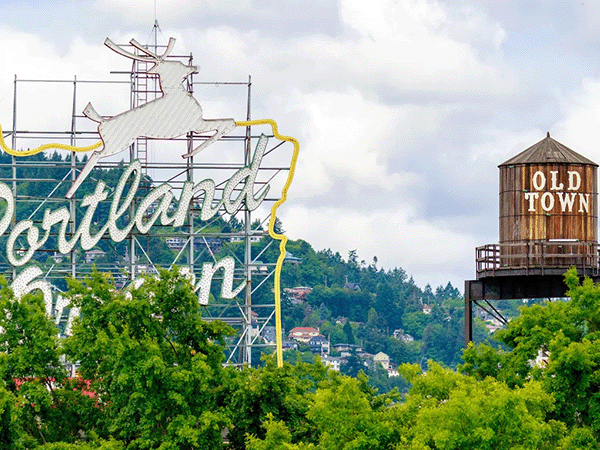
The Best Dog Trainers in Portland, OR of 2026
This is a list of the top dog trainers in Portland, OR, based on votes from the Sniffspot community and the general public.
The Best Dog Trainers in Los Angeles, CA of 2026
This is a list of the top dog trainers in Los Angeles, CA, based on votes from the Sniffspot community and the general public.
The Best Dog Trainers in New York, NY of 2026
This is a list of the top dog trainers in New York, NY, based on votes from the Sniffspot community and the general public.


City dog parks guides

Top 10 Indoor Dog Parks: A US Guide
Looking for a space to play with your dog no matter what the weather’s like outside? Look no further than our list of the best indoor dog parks in the United States! These climate-controlled spaces are growing in popularity as pet ownership increases throughout the country. As a bonus, many of them also offer dog training, boarding, grooming, or daycare services on the premises.
Best Dog Fields in the US: 25+ Wide-Open Spaces for Your Pup to Run Free
The best dog fields in the US offer something that traditional enclosed parks simply can't match: acres of open space where your pup can truly stretch their legs and run at full speed. From Colorado's 470-acre prairie meadows to Tennessee's award-winning "Outback," these wide-open spaces allow dogs to roam, explore, and exercise naturally while engaging instincts that cramped urban parks suppress.

Best Dog Parks in the US: Ultimate Guide to Public & Private Off-Leash Adventures
Is your pup giving you those pleading "let me run free" eyes? Whether you're a new dog parent or a seasoned pro looking for fresh adventures, finding the perfect off-leash paradise for your furry friend can feel ruff! From sun-soaked California beaches where your water-loving lab can make a splash to mountain trails in Vermont where your adventure buddy can chase every scent, we've sniffed out the 15 best dog parks across America.

Dog Parks Near Me: Las Vegas Edition
Looking for the perfect dog park near me in Las Vegas? You're in luck! This guide explores all the best options for your pup, from public dog parks to private dog parks near me on Sniffspot. We'll help you find the ideal spot for playtime, socializing, and fresh air. Plus, we'll cover essential etiquette and safety tips to ensure a happy visit for everyone. Get ready for some tail-wagging fun!
Top Sniffspot Locations: Find the Perfect Dog Park
Looking for the perfect dog park? Whether you need a wide-open public space or a private, fenced-in spot, this guide will help you find the best dog parks across the US. We'll cover top-rated public parks, the perks of private dog parks, and even explore Sniffspot locations – giving your pup a safe and fun place to play. Ready to find your dog's new favorite spot? Let's go!

Sniffspot: Portland's Best Private Dog Parks
Ready to discover Portland's best dog parks? Whether you're looking for a public park or the unique experience of a private Sniffspot, this guide has you covered. We'll help you find the perfect spot for your pup, with tips on what to bring, how to prepare, and even understanding dog body language. Plus, we'll explore some top Portland dog parks, including public and Sniffspot options, so you can plan your next dog-friendly adventure in the City of Roses.
Portland Dog Parks: Public & Private Options
This page is about public city dog parks and also includes Sniffspot private dog parks. Sniffspot is the largest network of private dog parks for rent in the world!
Small Dog Park Guide: Tips for Finding the Perfect Spot
Finding the perfect dog park for your small breed can be ruff! Big dog parks can be overwhelming, even dangerous, for little pups. This comprehensive guide helps you sniff out the best small dog parks for your pint-sized companion, covering everything from essential safety checklists to top recommendations for small dog parks across the US—including both public spots and private dog parks.
/354x256/wp-content/uploads/2023/04/indoordogparks.png)
/354x256/wp-content/uploads/2023/03/offleashdogparks.png)
/354x256/wp-content/uploads/2023/02/vegas.jpg)
/354x256/wp-content/uploads/2023/02/portland.jpg)
/354x256/wp-content/uploads/2023/03/smalldogparks.png)
Dogs breeds

German Shepherd Guide: Best Family Dog? Truth from 9K Owners
The German Shepherd Dog (GSDs) are known for their intelligence, loyalty, and striking appearance. They're also incredibly versatile, excelling as working dogs and devoted family companions. This guide covers everything you need to know about GSDs, from understanding their unique traits and rich history to practical advice on training and care. So, whether you're a seasoned GSD owner or just starting your research, let's explore this remarkable breed together.
Best Dog Fields in the US: 25+ Wide-Open Spaces for Your Pup to Run Free
The best dog fields in the US offer something that traditional enclosed parks simply can't match: acres of open space where your pup can truly stretch their legs and run at full speed. From Colorado's 470-acre prairie meadows to Tennessee's award-winning "Outback," these wide-open spaces allow dogs to roam, explore, and exercise naturally while engaging instincts that cramped urban parks suppress.

Labrador Retriever: America's Best Family Dog? Owner Truth
Discover the Labrador Retriever, a breed celebrated for its playful nature, affectionate temperament, and trainability. Labradors are known for their friendly demeanor and adaptability, making them perfect family companions and versatile working dogs. As one of the most popular types of retrievers, Labs are ideal companions for various lifestyles and are recognized by the American Kennel Club (AKC) as an excellent breed for families.

Golden Retriever Advice: The Complete Owner's Guide
Golden Retrievers: they're gorgeous, playful, and incredibly popular. But before you welcome one into your home, you need the right golden retriever advice. This guide draws on the wisdom of nearly 10,000 Golden Retriever owners, offering practical tips for caring for these affectionate dogs. From understanding their high energy levels to mastering grooming and training, we'll cover everything you need to know. So whether you're already a devoted Golden parent or just starting your research, get ready to learn how to give your furry friend the best possible care.

Are American Staffordshire Terriers Good for First-Time Owners: Complete Guide
Think American Staffordshire Terriers are tough? Think again. While their muscular build might intimidate some, these dogs are known for their playful and loyal personalities. This guide draws on the experience of nearly 10,000 AmStaff owners to reveal the truth about this often misunderstood breed. Want to learn more about caring for an American Staffordshire Terrier? You're in the right place.

Australian Shepherd Facts: Breed Info & Care Guide
Discover the Australian Shepherd, an AKC breed celebrated for its trainable, playful, and affectionate nature. Despite its name, the Australian Shepherd is actually a native breed to the United States, originally developed to breed on farms and ranches. Considered a medium dog, Australian Shepherds were bred for herding beginning in the 1950s. As one of the high-energy breeds, Aussies are known for their boundless energy and need for regular exercise, including aerobic exercise.

Essential Husky Facts for Owners: Breed Guide
Discover the Siberian Husky, a breed celebrated for its curious, intelligent, and loyal nature. Considered a medium-sized dog, Siberian Huskies were originally bred in Russia for sledding, beginning in the early 20th Century. Today, they're one of the most popular active breeds in North America.
/354x256/wp-content/uploads/2024/07/German-Shepherd-Dog.png)
/354x256/wp-content/uploads/2024/07/Screen-Shot-2024-07-24-at-4.06.05-PM.png)
/354x256/wp-content/uploads/2024/07/Screen-Shot-2024-07-25-at-3.05.09-PM.png)
/354x256/wp-content/uploads/2024/07/staffy.jpg)
/354x256/wp-content/uploads/2024/07/Screen-Shot-2024-07-25-at-3.39.43-PM.png)
/354x256/wp-content/uploads/2024/07/catherine-QMumx6XMJSY-unsplash.jpg)